Eating Well Here

From HK$40 noodles to two-star dim sum.

Few cities feed you this well, this cheaply, this late. Learn the six types of place to eat and shop, then let the district markets and supermarkets do the rest.

6 minute read Where to eat and shop
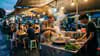
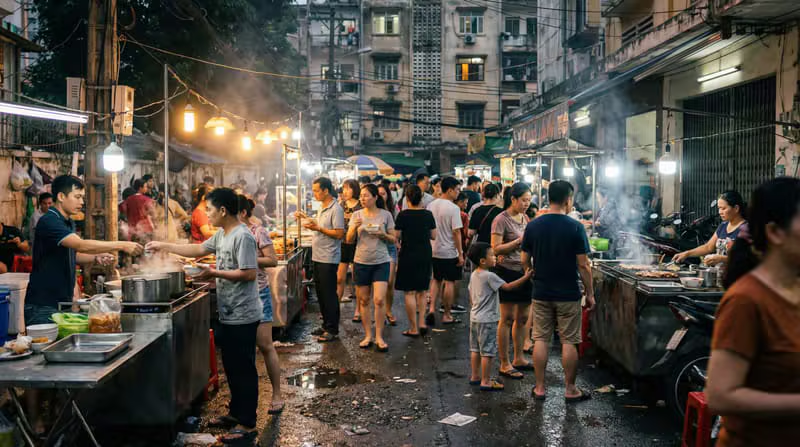
A bustling Hong Kong street food market lit up at night

Where To Eat and Shop

Six places every newcomer should know.

Two of these are restaurants, two are markets and two are for the nights you cannot be bothered to cook.

A busy Hong Kong cha chaan teng cafe with milk tea on the table

Cha chaan teng

The everyday Hong Kong cafe: milk tea, pineapple buns, macaroni soup and instant noodles.

Fast, cheap and open from breakfast until late.

Set meals are the best value and usually come in under HK$70.

Expect to share a table at busy times.

An open-air dai pai dong street food stall in Hong Kong

Dai pai dong

Open-air street stalls, now few but worth finding in Sham Shui Po and Central.

Big wok dishes, cold beer and plastic stools on the pavement.

Many are cash-only, so bring small notes.

Go early — the best ones sell out before the evening rush.

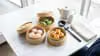
Bamboo steamer baskets full of dim sum on a restaurant table

Dim sum houses

Morning and lunchtime tea houses serve trolleys of dumplings, buns and rice rolls.

Order by ticking the menu card; the bill is often counted from the steamer baskets.

Book ahead for the famous houses at weekends.

Go with people — dim sum is far better shared.

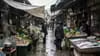
Stalls of fresh produce at a Hong Kong wet market

Wet markets

Fresh produce, fish, meat and dried goods in every district.

Prices soften on larger purchases, and bringing your own bag is normal.

Excellent value if you cook; most open early and close by early evening.

A good wet market is often cheaper and fresher than any supermarket.

A bright supermarket aisle filled with groceries

Supermarkets

ParknShop, Wellcome, Fusion and Marketplace are the everyday chains.

City Super, YATA and Great Food Hall carry the imported and specialty goods.

Own-brand staples are the best value for rice, oil, pasta and cleaning supplies.

Small neighbourhood stores often stay open later than the big branches.

A food delivery courier with an insulated bag on a city street

Delivery and online

Deliveroo and foodpanda cover most districts for restaurant delivery.

HKTVmall and Pandamart deliver groceries, sometimes within the hour.

Fees and minimum orders vary, so check before it becomes a weekly habit.

Delivery is a lifesaver on typhoon days when everything closes.

Ordering and Etiquette

The small things that make eating out easy.

Tipping is not expected, and many restaurants add a 10% service charge automatically.

Saying thank you on the way out goes a long way — a nod and a smile works just as well as the words.

Tap water is not served by default. Order tea, or ask for warm water.

Sharing tables is completely normal in busy, inexpensive places.

Vegetarian, vegan, halal and gluten-free options have grown a lot, especially in Central, Sheung Wan and Tsim Sha Tsui.

Chopsticks and a spoon are standard. Ask for a fork if you would rather.
Local tip: Learn one phrase — the local thank-you used for service — and you will get a warmer welcome in every noodle shop in the city.

Grocery cheat sheet

Milk, bread and eggs Wellcome, ParknShop, 7-Eleven
Cheese, wine and imported treats City Super, food halls
Rice and dried goods in bulk Wet markets and specialty shops
Cheapest fresh produce District wet markets, early morning
Late-night snacks Circle K and 7-Eleven, everywhere
Next: family life in Hong Kong